


WORM BEDDING GUIDE
A balanced bedding mix is
just as important as the food.
Use these tips to create a balanced bedding.

Primary bedding
Shredded paper and cardboard are ideal. Use plain paper (printer paper, newspaper, office paper, cardboard). Avoid glossy paper, colored inks, magazines, and coated boxes. A 15–page shredder can handle most cardboard, including Amazon boxes.
Safe, clean paper and cardboard make easy, low-risk bedding.
Other bedding options
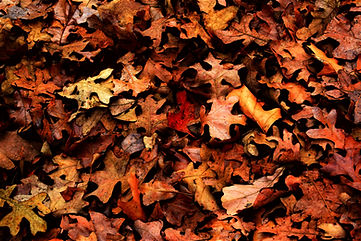
Coconut coir, peat moss, dry leaves, straw, or finely chopped hay can add texture... But use caution when choosing natural bedding materials from outdoors. Things like compost, garden soil, or manure may bring pests, pathogens & things you might not want indoors. Although, they are part of a healthy ecosystem, with indoor bins, we can be a little more elective. Outdoor bins use a different bedding guide.
Choose materials that are safe, clean, and bug-free.

Texture
Loose, fluffy material with air pockets works best. Fine dust (pulverized sawdust, chalky powders, overly shredded paper) or dense material (thick cardboard, tightly balled newspaper, wet leaves) can compact, reduce airflow, and slow worms.
Fluffy bedding keeps airflow and worm movement optimal.

Moisture
Ideal moisture is like a wrung-out sponge. Too dry slows worms; too wet creates anaerobic spots. Add dry bedding to absorb water or sprinkle water to rehydrate.
Correct moisture is key for worm health and decomposition.

Bedding lifespan
Bedding will shrink as worms consume it. Add small amounts as needed, but once the bin is full and bedding is gone, it’s time to restart the bin.
Worms need fresh bedding; full decomposition signals reset time.

Time to reset
It’s time to harvest the castings and move the worms to fresh bedding.
Fresh bedding and food maintain worm health and keep castings productive.